
How Ludus Compares
Ludus vs. AudienceView
AudienceView presents itself as a powerful platform—but behind the pitch, you’ll find complex contracts, limited flexibility, and support that leaves many users stuck. With Ludus, you get modern tools, transparent pricing, and support that’s actually there when you need it.
4 reasons organizations choose Ludus
💡 7 out 10 of organizations that demo Ludus after using AudienceView switch to Ludus
1. No contracts. No lock-in.
- AudienceView contracts auto-renew unless canceled in writing well in advance—at least 60 days before the end of your term, sometimes even earlier. These auto-renewals often come with fee increases, and reminders are limited or nonexistent. If you miss the cancellation window, you could be locked into another multi-year term at a higher price. Some customers have reported contract increases up to 10-15% upon auto-renewal.
2. Transparent pricing. No surprises.
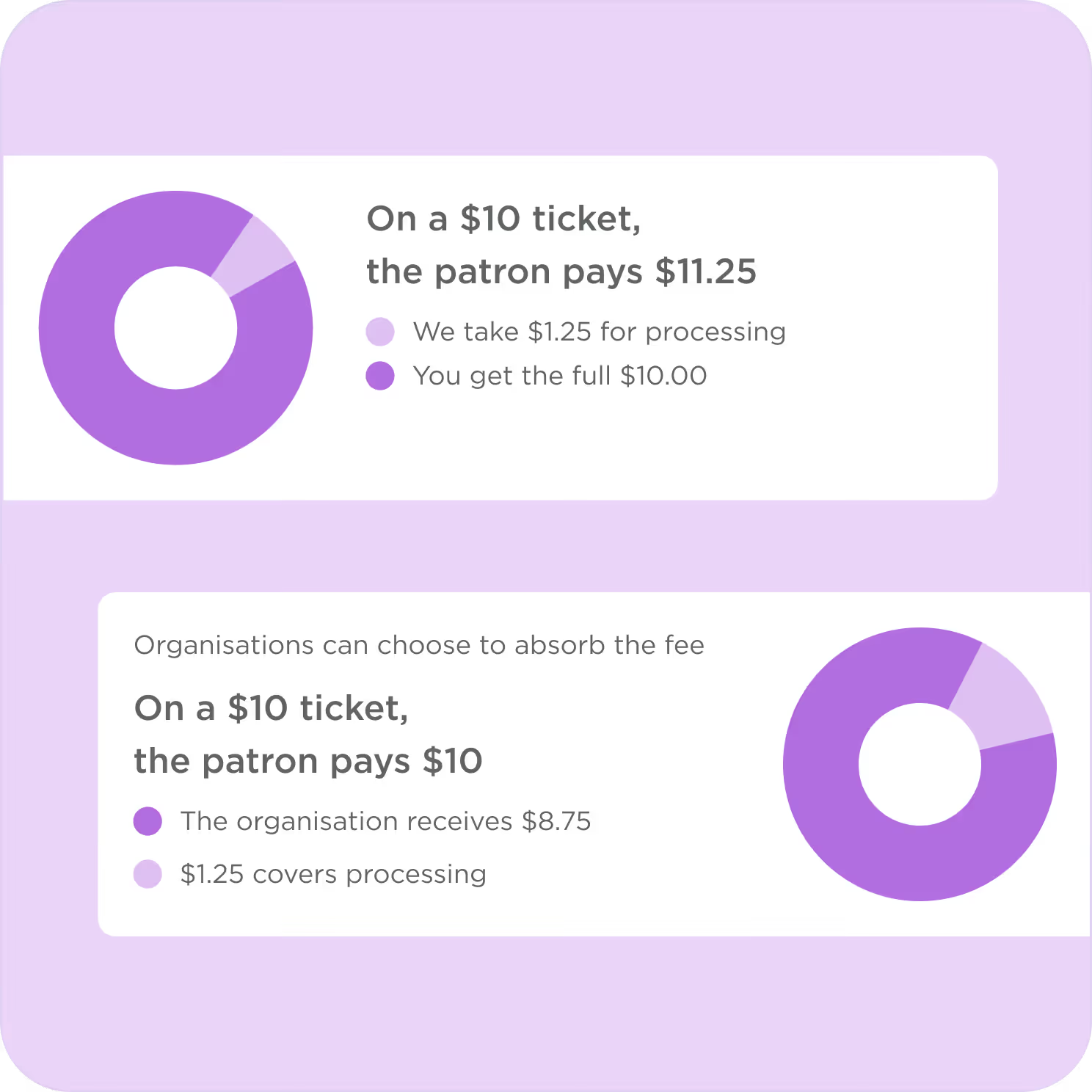
- Despite claiming “no hidden fees,” AudienceView doesn’t show public pricing upfront. You’ll need to speak to a sales rep, share your ticket volume, and wait for a custom quote. That often leads to large, unpredictable contracts based on the size of your organization. And those fees are among the highest in the industry.
3. Full customization, no added fees.
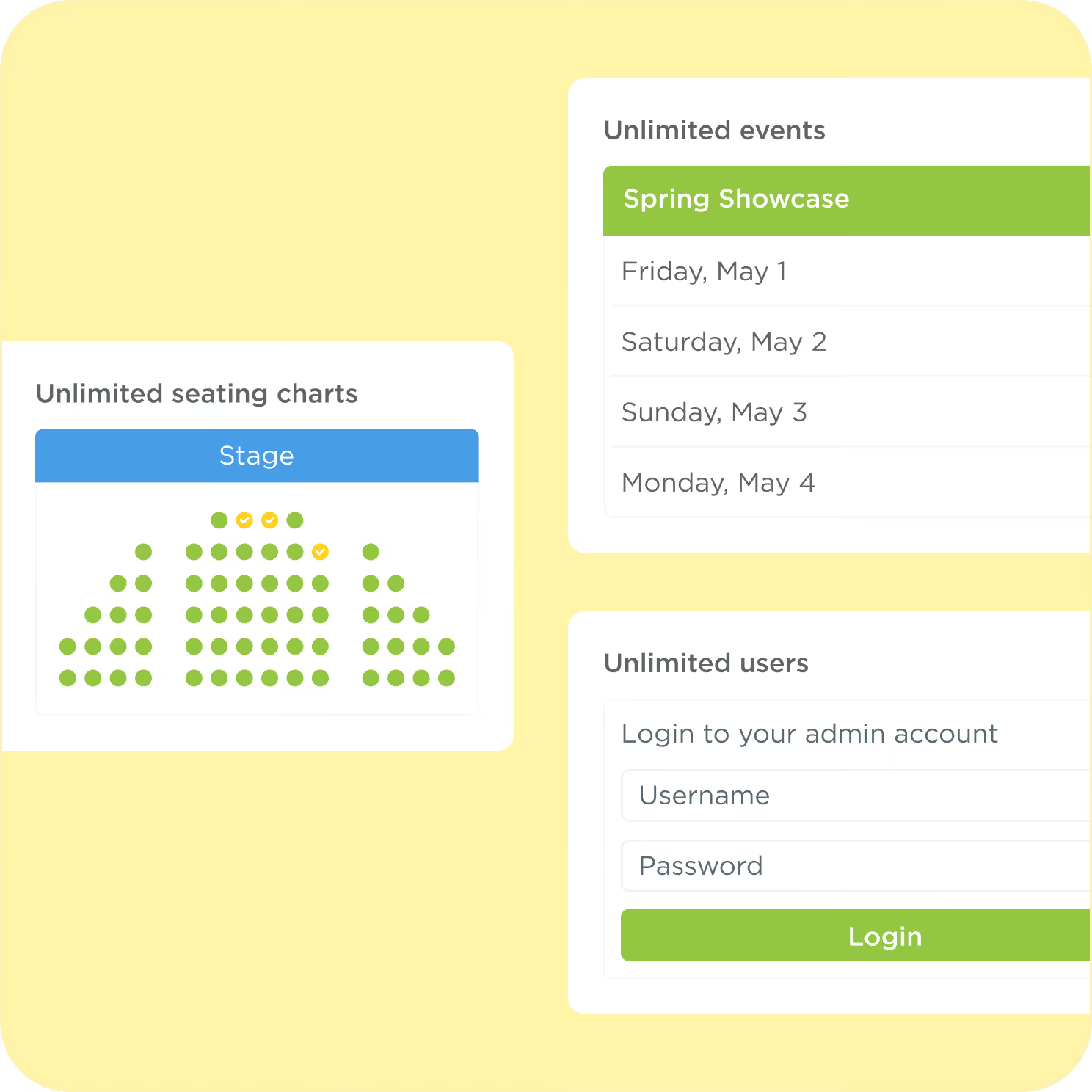
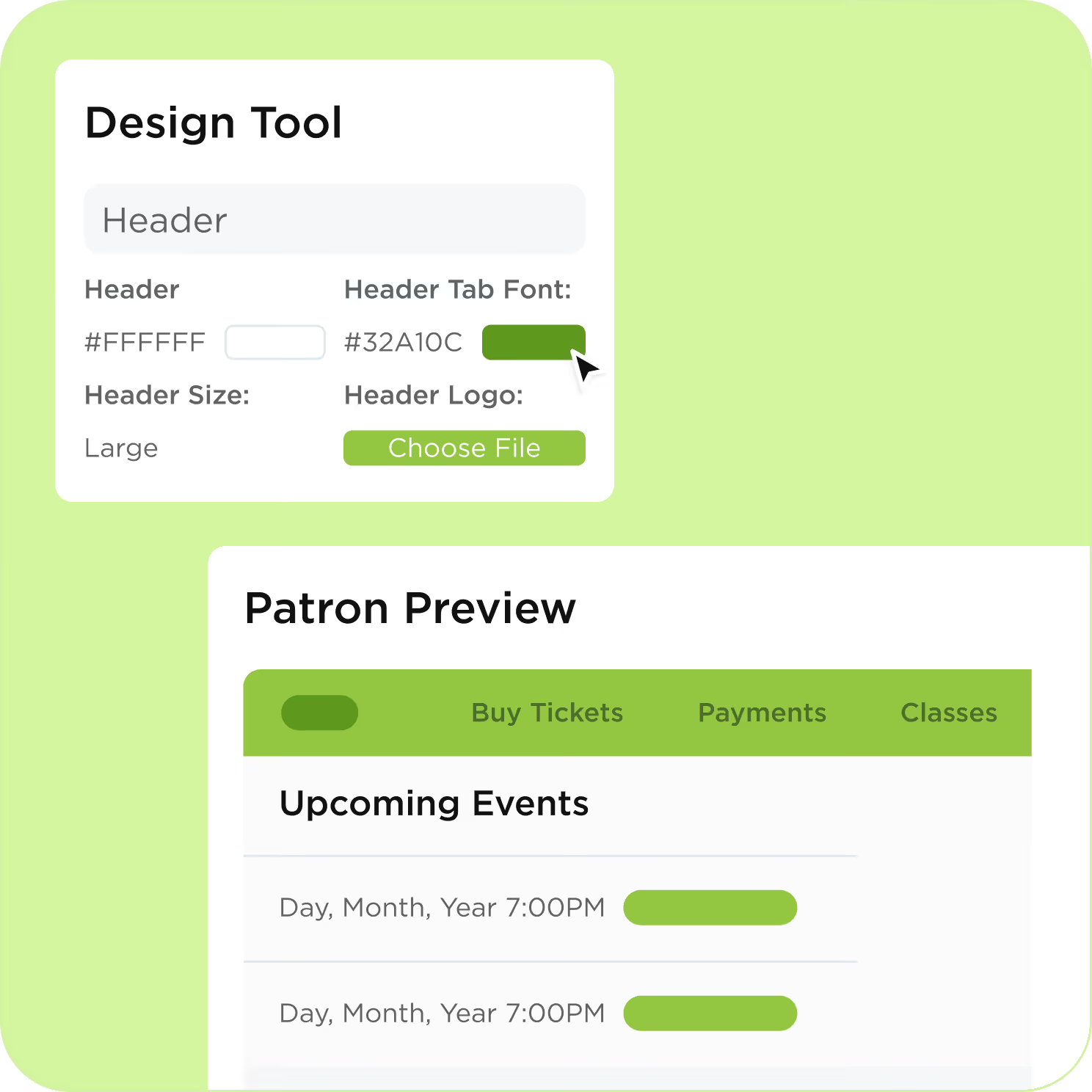
- AudienceView only includes one seating chart. Additional charts cost extra. Customization options are limited across the platform, especially when it comes to visual layout, patron flows, and show editing. Many users find the admin side difficult to navigate—and restrictive when changes are needed mid-event.
4. Fast support when it matters.
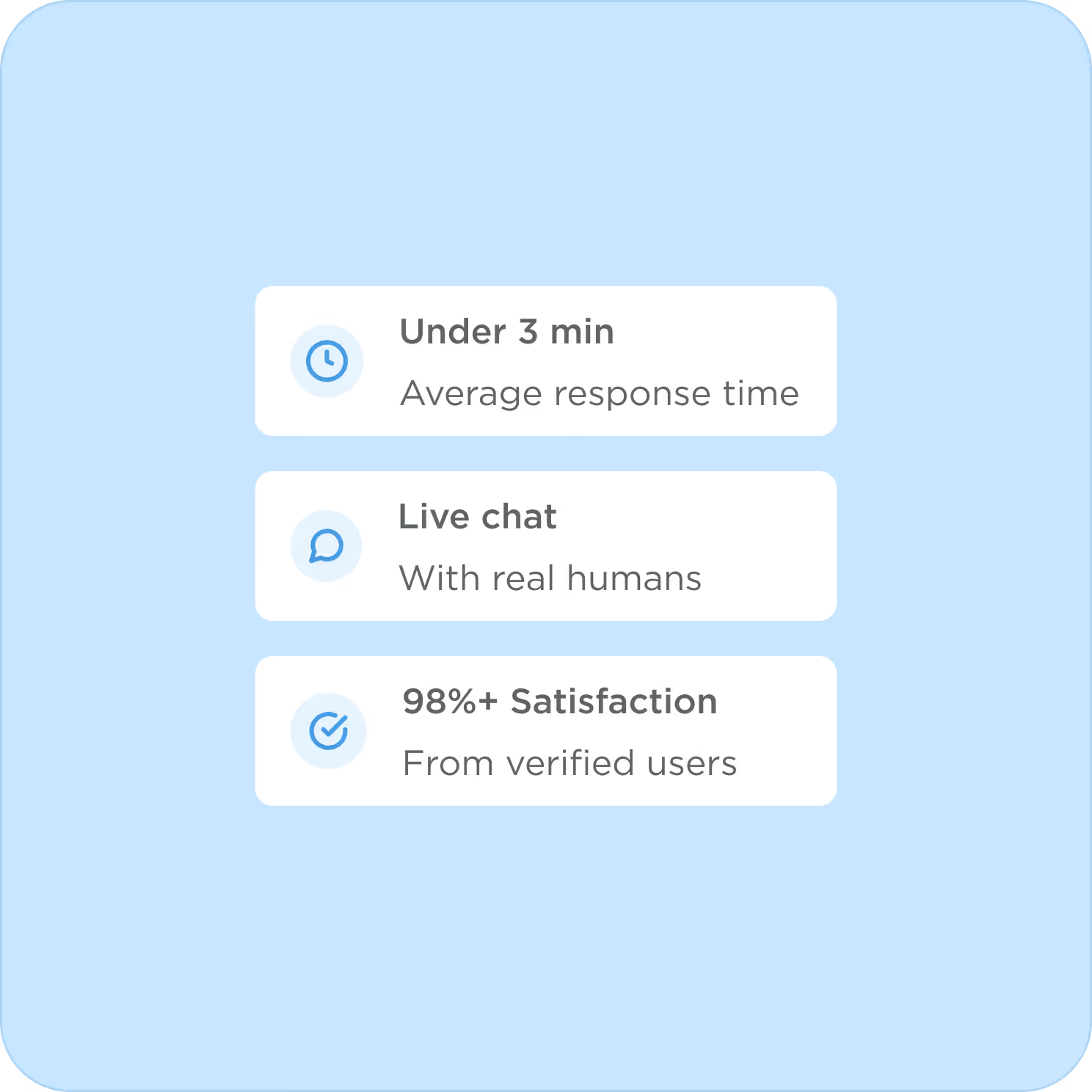
- AudienceView doesn’t offer fast, accessible support. You’re required to submit a case, wait for a response, and hope the help docs are accurate—often, they’re not. Phone support is hard to reach, even in urgent situations, leaving many teams in the dark when problems arise.
- Real user sentiment (summarized from reviews on G2) Users regularly report frustration with slow support, poor access to live help, outdated documentation, and unclear support processes during emergencies.